Yellow Biohazard Bags About
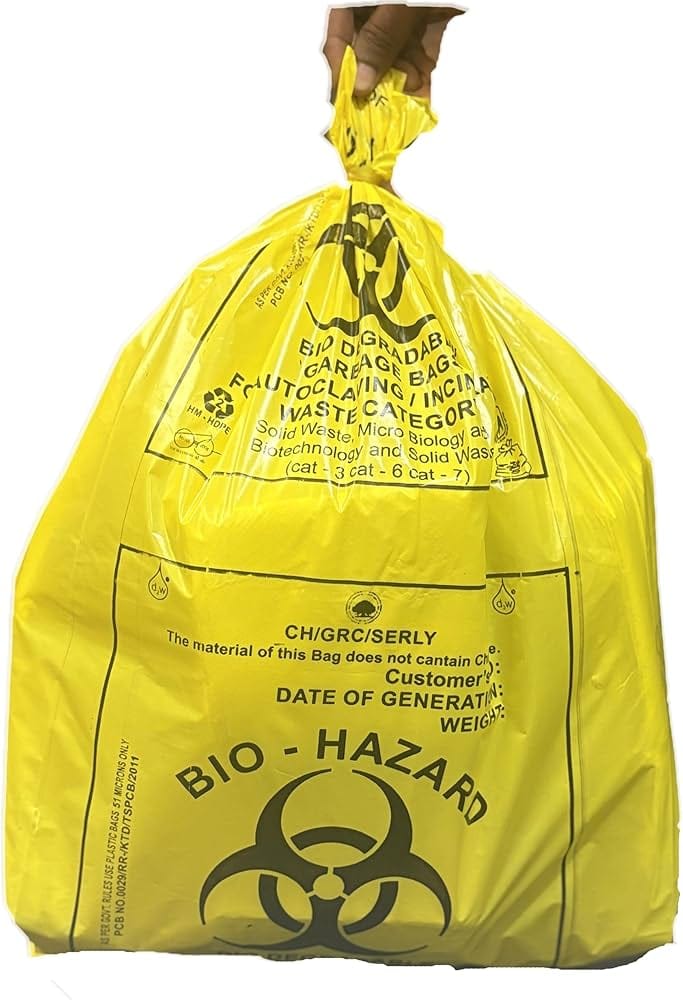
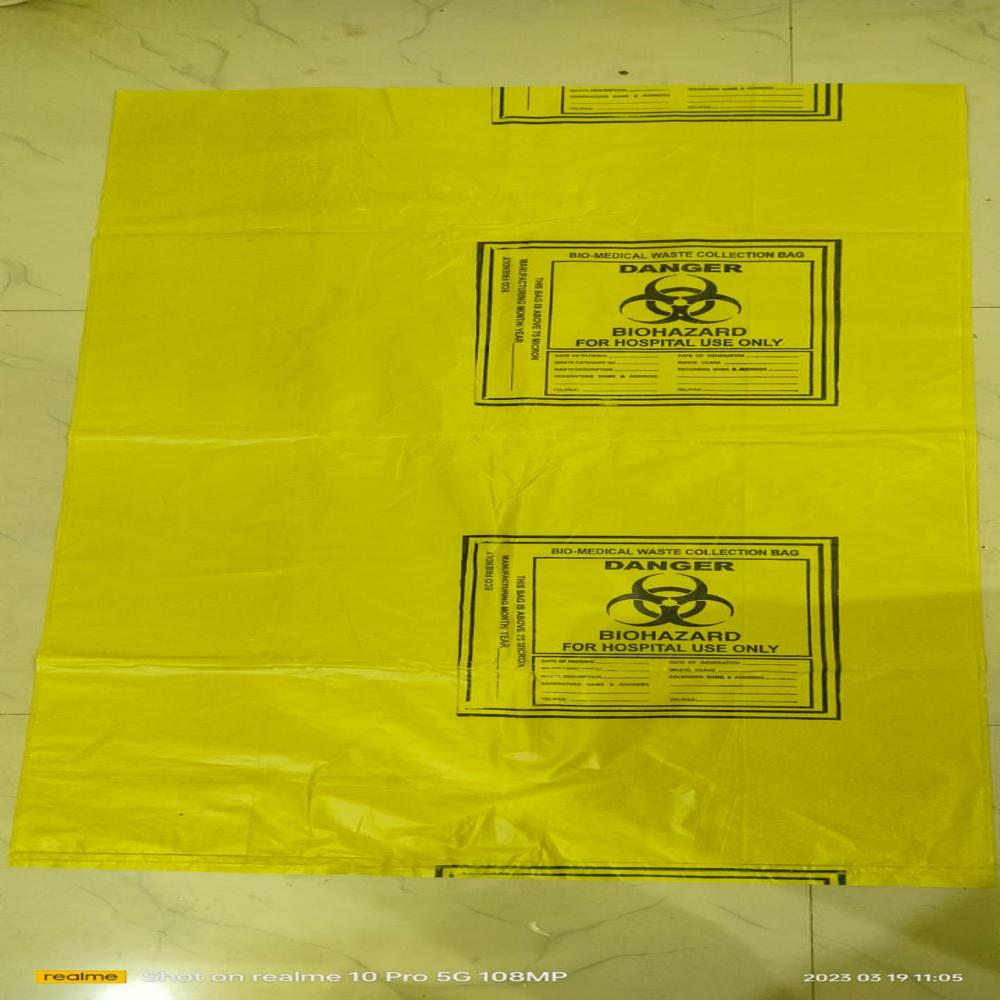
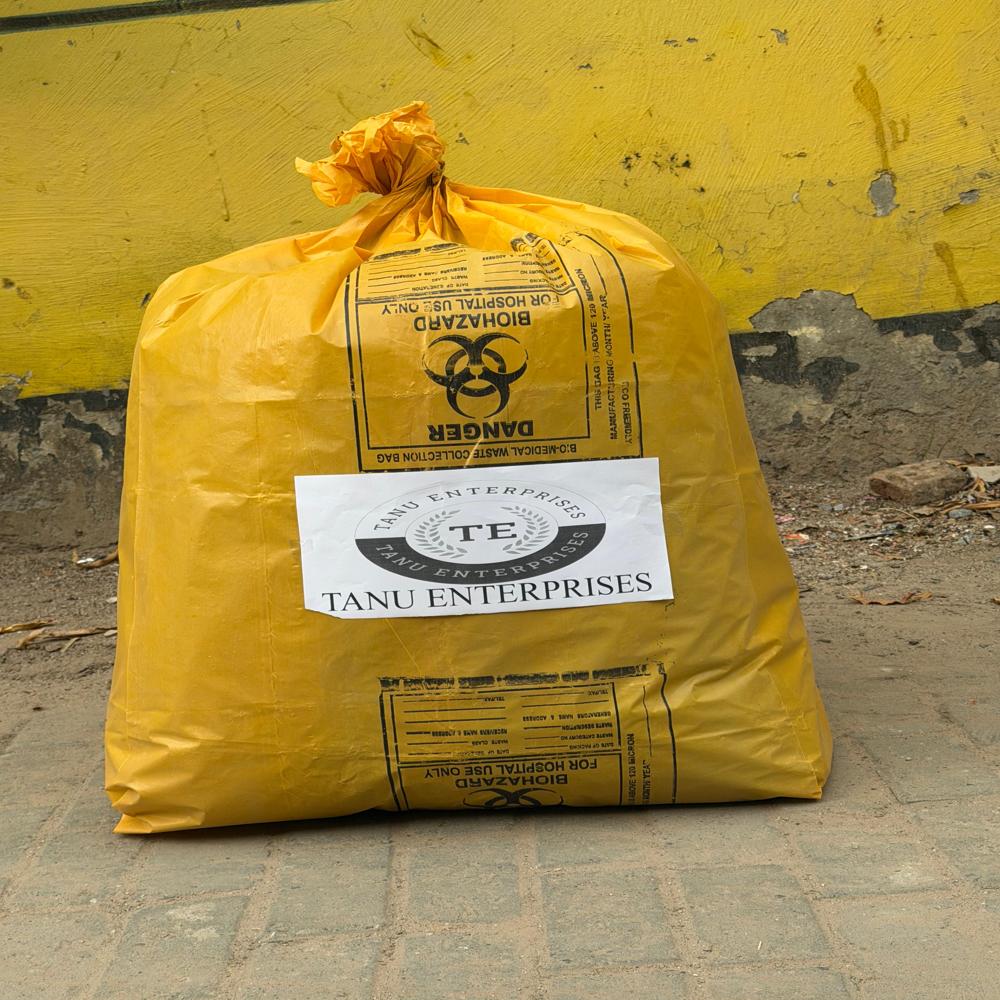
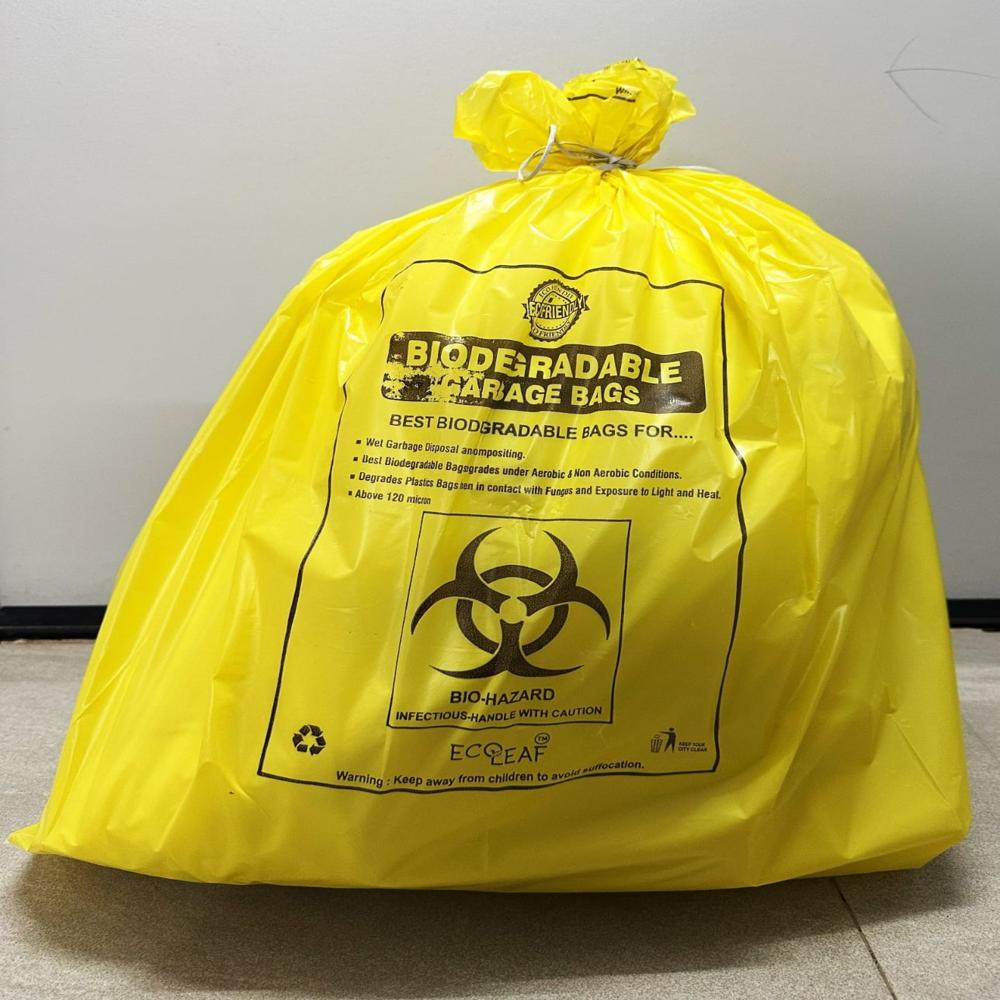
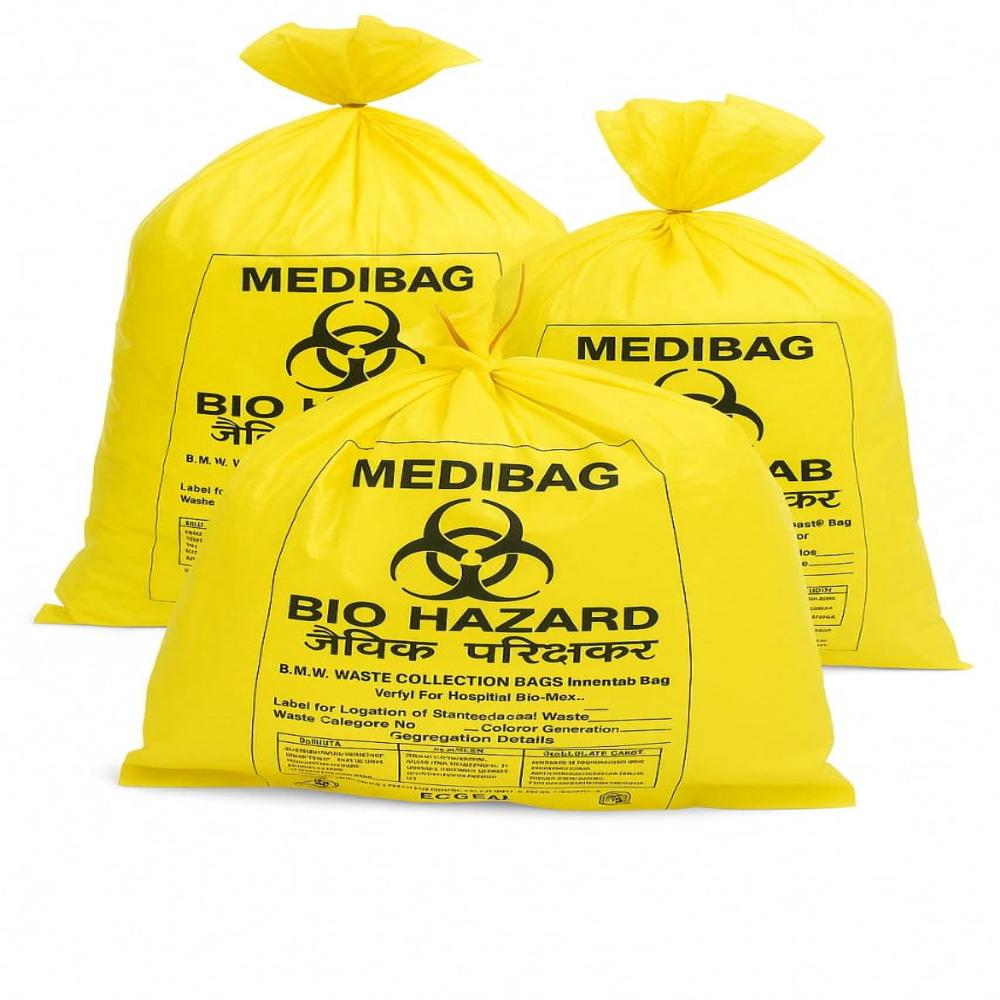
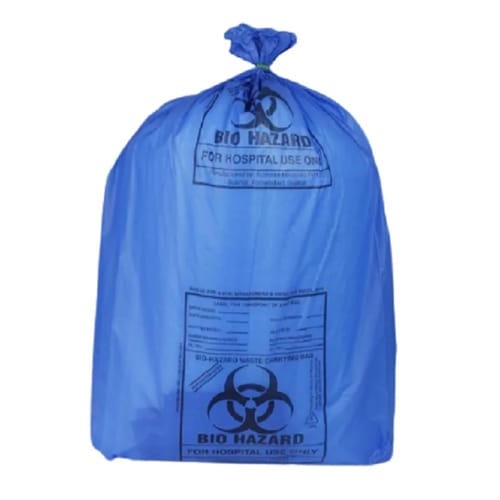
Choose Tanu Enterprises for Yellow Biohazard Bags are designed for the safe collection, segregation, and disposal of biomedical and infectious waste in hospitals, clinics, and laboratories.
Made from high-quality, leak-proof material, these bags offer excellent strength, tear resistance, and reliable performance for handling biohazardous waste.
Our
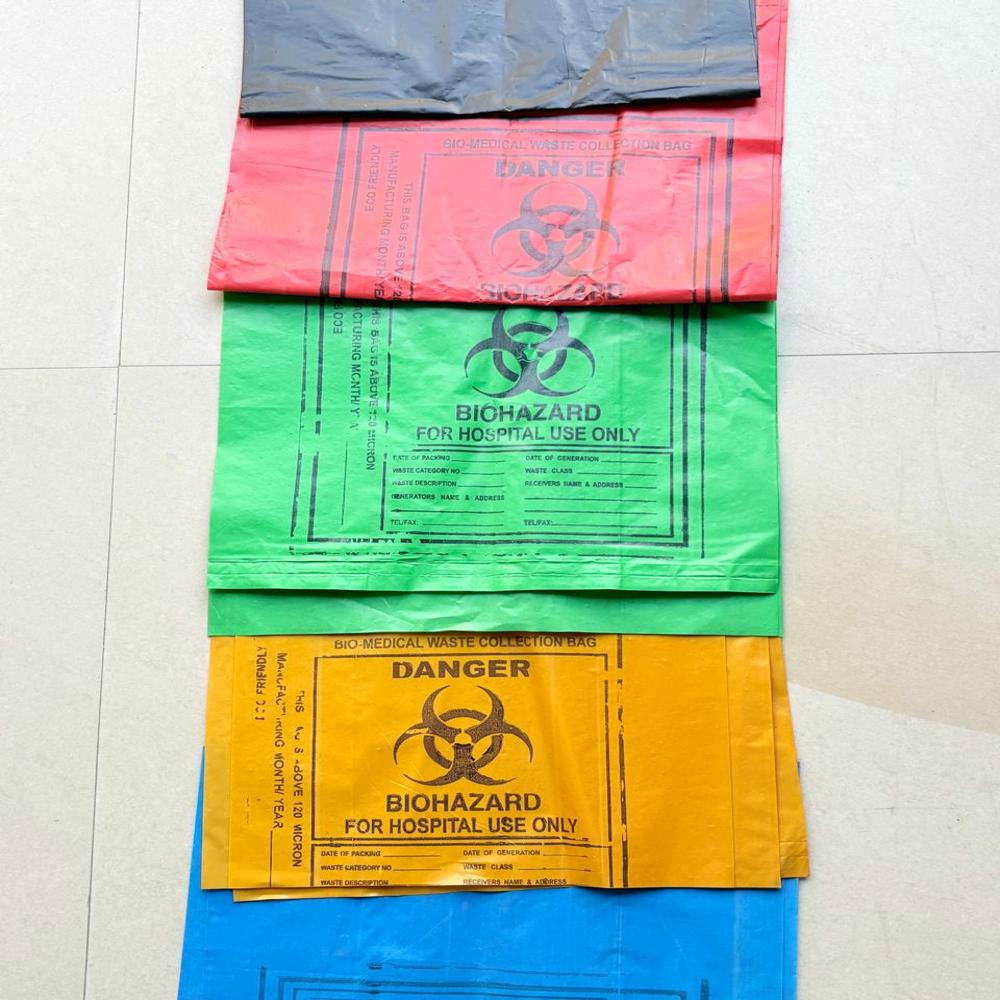
yellow biohazard bags support proper color-coded waste segregation and help healthcare facilities comply with biomedical waste management guidelines.
Choose durable
yellow biomedical waste bags for hygienic, secure, and cost-effective healthcare waste disposal solutions
Superior Water Resistance and DurabilityOur biohazard bags are crafted to withstand challenging conditions thanks to their 120-micrometer thickness and advanced water-resistant material. Whether you're disposing of wet or dry medical waste, these bags prevent leaks and spills, ensuring safety for users and their environment. The exceptional durability makes them ideal for frequent handling in high-risk environments.
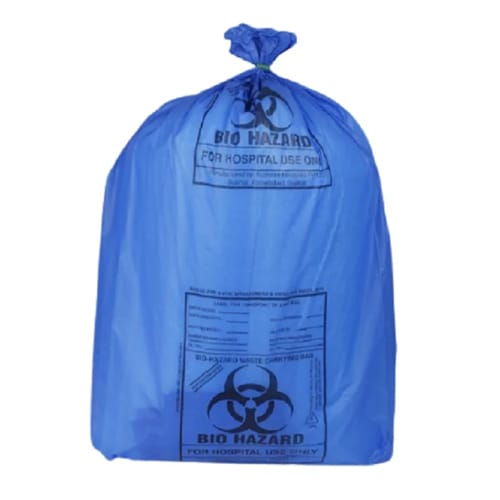
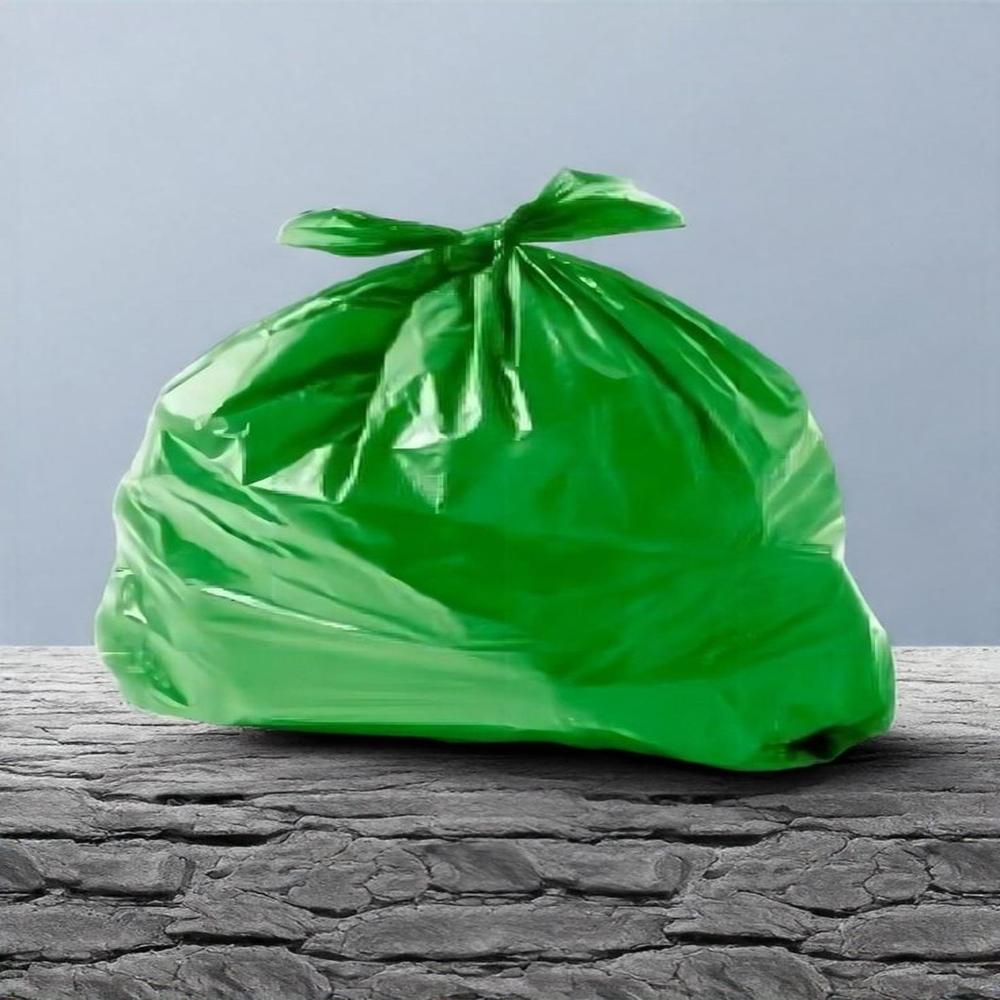
Eco-Friendly and Versatile DesignBenefit from our eco-friendly solution that matches sustainability with strength. The bags come in all sizes and colors, including the standard 30*36 inches, making them a versatile choice for various types of waste. Their open-top design allows for swift disposal, streamlining workflow in hospitals, clinics, and laboratories. Our commitment to the environment is evident in every biodegradable bag.
FAQ's of Yellow Biohazard Bags:
Q: How do I use yellow biohazard bags with an open-top closure for safe waste disposal?
A: To use yellow biohazard bags safely, open the top and insert biohazardous waste, such as contaminated dressings or materials. Once filled to the recommended capacity (up to 35 kg), secure the open top with a twist-tie or sealing tape to avoid leaks and contamination. Always handle the bags with proper protective gear.
Q: What materials are used to make these water-resistant biohazard bags, and how does it benefit users?
A: Our biohazard bags are manufactured from high-grade, water-resistant materials with a thickness of 120 micrometers. This ensures that liquid and solid waste are contained securely, reducing the risk of exposure and contamination for healthcare personnel and waste handlers.
Q: When should I choose a biohazard bag with a 120-micron thickness?
A: A thickness of 120 micrometers is ideal for handling heavy or sharp medical waste that demands extra strength and puncture resistance. Choose these bags in situations where waste is particularly heavy (up to 35 kg) or there is a risk of leakage, such as in hospitals or laboratories.
Q: Where can these eco-friendly biohazard bags be used effectively?
A: These biohazard bags are suitable for use in medical facilities, research labs, pharmaceutical environments, and waste management operations. Their universal design, water resistance, and eco-friendly construction make them a responsible choice for any organization handling infectious or hazardous waste.
Q: What is the process for safely disposing of biohazard bags after use?
A: After sealing the filled bag, transport it according to your facility's biohazard waste management policy. Ensure bags are properly labeled and deposited in designated medical waste bins. Follow local and federal regulations for final disposal to prevent contamination and protect the environment.
Q: What are the benefits of choosing eco-friendly, all-color biohazard bags?
A: Opting for eco-friendly, all-color biohazard bags supports sustainable waste management and provides flexibility for color-coded segregation. These bags help institutions meet environmental standards while also improving operational efficiency by simplifying identification and sorting of various types of waste.





 Send Inquiry
 Send Inquiry
 Send SMS
 Call Me Free